
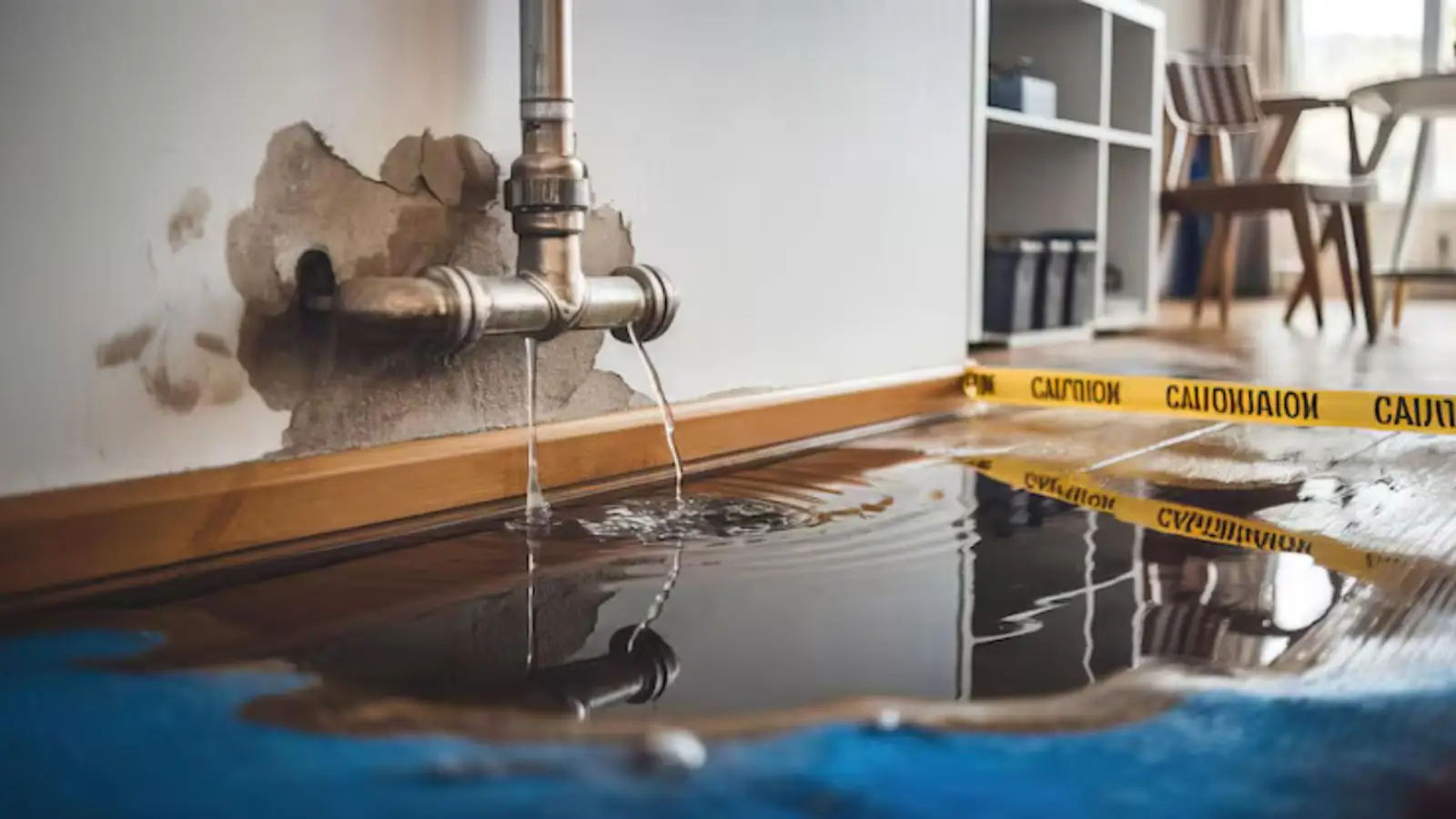
Water mitigation is the work of stopping water damage from spreading, usually in the first 24 to 72 hours after a leak or flood. It combines shutting off the source, removing surface water, drying the structure and mapping hidden moisture. If water is still moving, call our 24/7 line now, shut off the main valve if the source is a pipe, and keep power off to wet rooms unless you can reach the panel dry.
Mitigation is time-sensitive because wet drywall, insulation and wood start to degrade, and mold can begin to grow when moisture lingers. Same-day response is offered when it is available, and after-hours calls are answered the same as daytime calls. We explain the scope and price before work starts.
My Walls and Floors Feel Damp, What Do I Need?
If a wall feels cool and damp, a floor feels soft, or a musty smell lingers after the leak is fixed, water is still inside the structure. A towel and a fan will not reach it. The trade name for the fix is water mitigation, which uses meters to find the water and equipment to pull it out.
The earlier you call, the more of the building usually stays. Drywall that is dried quickly may not need to be replaced, while drywall that stays wet for days often does.
Walls, floors or ceilings still damp after a leak? Reach dispatch at any hour and describe what you are seeing and where.
☎ (760) 769-1159When Water Damage Is an Emergency in the First 72 Hours
Water damage becomes an emergency when time works against you. These situations should be reported as soon as you notice them.
- A pipe, appliance or roof leak has soaked drywall, insulation or ceiling material.
- Water has run behind baseboards or under flooring where you cannot see it.
- Carpet or padding has been wet for a day or more.
- A musty smell appears after a leak, or you can see discoloration spreading.
- The water came from a drain or toilet, which means contaminated water is in the building.
- Hardwood, laminate or cabinets are beginning to swell or lift.
If it is after hours, call anyway. After-hours and weekend calls get the same attention as weekday ones, and what you do in the first hours matters.
Safety Before Equipment
Stay out of wet electrical areas
If water has reached outlets, a panel or a ceiling fixture, stay out of the room. Turn off power at the panel only if you can reach it dry, and call 911 or your utility first for sparking, a burning smell or any gas odor, before calling the restoration line.
If the water came from a sewer line or a backed-up drain, treat it as contaminated. Keep people and pets away and do not use household fans in the area, because they can spread contamination.
How Water Mitigation Works
A mitigation visit follows a clear order. Each step is explained so you know why equipment is running in your home.
- Stop the sourceThe crew confirms the water is off, either by closing a valve or isolating the line.
- Remove standing waterPumps and extraction units clear surface water. This overlaps with emergency water removal for deeper losses.
- Map the moistureMoisture meters read drywall, framing and subfloor, and thermal imaging shows wet areas behind finished surfaces. The readings are recorded as a baseline.
- Set the drying equipmentAir movers push dry air across wet surfaces, and LGR dehumidifiers pull moisture out of the air so it does not re-wet the room.
- Monitor until dryTechnicians return to retake readings and adjust equipment until the structure reaches its dry standard.
The industry publishes ANSI/IICRC S500 as its standard for water damage restoration. You can ask any company, including us, whether its crews work to that standard and how.
Structural Drying
Structural drying is the part of mitigation that takes the most time. Water soaks into drywall, framing, subfloor and insulation, and it takes controlled airflow and dehumidification to bring those materials back to normal moisture levels.
The crew often opens the wall cavity by drilling small holes or removing a baseboard, so air can reach the wet space behind a finished wall. Drying mats can pull moisture from hardwood floors, and injectors can push dry air into a closed cavity. Wet insulation is usually removed, because it holds water against the framing.
Drying is measured, not guessed. Technicians check moisture readings on each visit and compare them to readings from a dry part of the same building. When the numbers match, the equipment comes out. When they do not, the equipment stays and the plan changes.
Drying times vary widely with the materials and the amount of water. Dense materials like hardwood and plaster take longer than drywall, and a house with high humidity indoors takes longer than one with normal conditions.
Rain, Leaks and Encinitas Timing
Most of the San Diego coast's rain falls between November and March, about 85 percent according to the National Weather Service data for Lindbergh Field. That is when roof leaks, window leaks and ground-level intrusion calls tend to rise. If your roof leaked in a storm, document it and call before the next front arrives.
For homes near the coast in Solana Beach, just across San Elijo Lagoon, the same seasonal pattern applies, and our Solana Beach water damage page describes service there. The lagoon is a 721-acre ecological reserve, so if your property sits close to it, plan for runoff after storms.
Mitigation, Removal and Repair: What Each Stage Does
| Stage | Goal | Typical timing |
|---|---|---|
| Water mitigation | Stop spread, dry structure, map moisture | First 24 to 72 hours, then drying days |
| Emergency water removal | Pull standing water out | Right away, at the start |
| Water damage cleanup | Remove contaminated materials and sanitize | During or right after drying |
| Water damage repair | Rebuild drywall, floors and paint | After the structure tests dry |
If mold is already visible, mold remediation may be needed alongside drying. Dispatch can tell you how the stages apply to your situation.
What Changes the Cost of Mitigation
A price depends on measurements and conditions, not on a rate per room.
- Water category. Clean water, gray water and sewage need different containment, removal and disposal.
- Affected area. The footprint of wet materials sets how much equipment the job needs.
- Materials involved. Drywall, hardwood, plaster and concrete dry at different rates.
- Drying days and equipment. More air movers and dehumidifiers running for longer raises the scope.
- Rebuild scope. What must be removed during mitigation affects what must be replaced afterward.
Want your real number? Call dispatch and describe the damage. An assessment sets the scope, and the price is explained before work starts.
Insurance Notes for Mitigation
Many policies expect you to take reasonable steps to limit further damage, so mitigation is often something an insurer wants done quickly. Sudden and accidental water damage is often covered, and gradual leaks and neglect often are not. Flood is usually excluded and needs separate flood coverage, so check your policy or ask your insurer how your loss is classified.
We keep moisture readings, photos and equipment logs so the file shows what was wet and when it was dry. That record is useful to an adjuster, and it is useful to you when a rebuilding contractor needs to see the baseline. Once the structure is dry, water damage repair picks up from there.
Frequently Asked Questions
Yes. Dispatch is answered 24/7, including nights, weekends and holidays. Same-day response is offered when it is available, and we do not promise an arrival time before we understand the situation.
Fixing the source stops new water, but water already inside the wall stays there until it is dried. A moisture meter finds how far it spread, and drying equipment removes it.
Air movers push dry air across wet surfaces, and LGR dehumidifiers pull the moisture out of the air so it does not settle back. They run together for several days, and moisture readings tell the crew when the structure is dry.
Typical structural drying runs several days, but it varies with the materials, the amount of water and indoor humidity. The technician explains an estimate after the first readings and updates it as the readings change.
No. Mitigation stops the spread and dries the structure. Repair rebuilds what could not be saved, and it comes later.
Whether a loss is covered depends on how it started. Ask your insurer how they classify yours before you assume either way.