
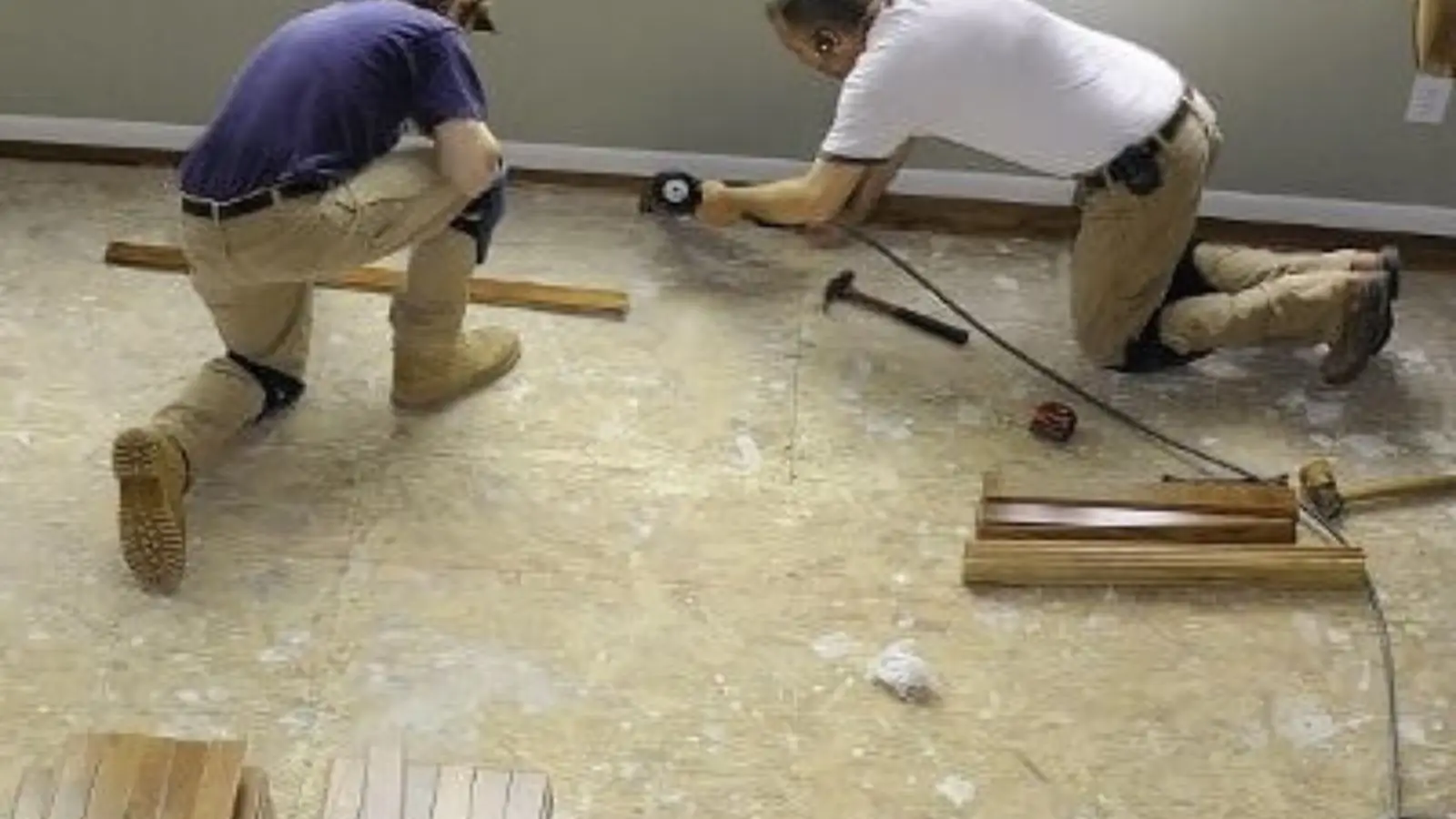
Water damage repair is the rebuilding stage that starts after a structure is dry. It means replacing drywall, insulation, flooring, trim and paint so a room works again. In Encinitas it usually follows a leak, a burst supply line or a storm that has already been stopped.
If water is still spreading or the wood still reads wet, start with water mitigation instead. Repair over wet framing hides the problem and invites mold. When you are ready to rebuild, call us. Dispatch answers 24 hours a day, and Same-day response is offered when it is available.
What Causes the Damage We Repair
Most repair jobs trace back to a short list of sources. A supply line under a sink lets go, a washing machine valve breaks, a water heater tank fails, or a roof leak soaks the ceiling below. A slow leak behind a shower wall can run for months before a stain shows.
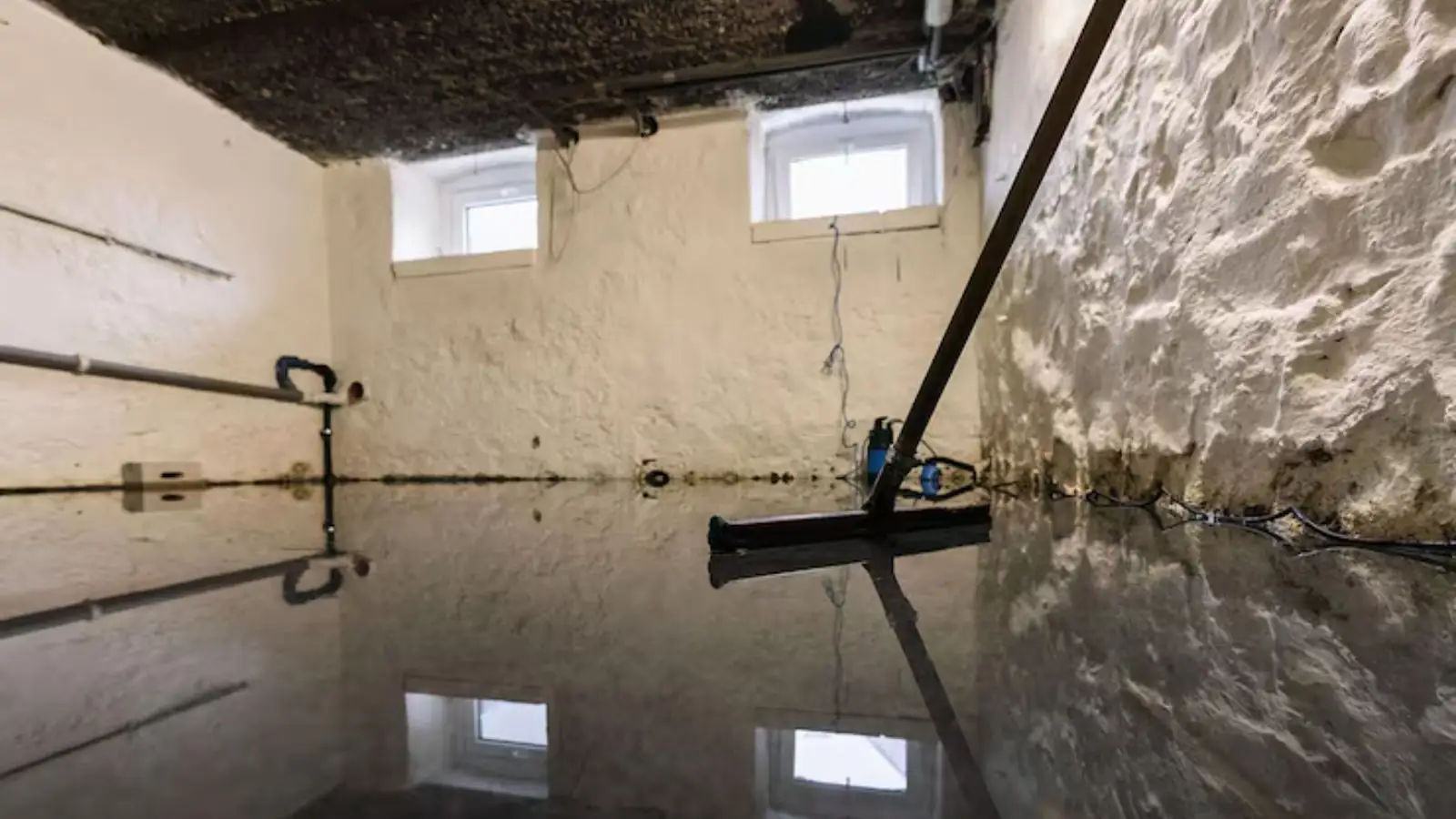
Weather adds its share. San Diego's long-term gauge at Lindbergh Field records about 85 percent of its rain from November through March, so roof and window leaks cluster in those months. If a stain appears after a storm, mark the edge with a pencil and check whether it grows.
The source decides the repair. Clean supply water is far simpler to rebuild after than sewage or storm water, which can require removing more material. Your first question should always be what the water was and how long it sat.
Looking at a stain, a soft spot or a warped floor and not sure what it needs? Call the line and describe it to dispatch.
☎ (760) 769-1159Safety steps before repairs begin
Repairs wait until the water source is stopped and the structure is dry. Until then, keep these safety steps in mind.
- Shut off the water at the main valve if a supply line is the source.
- Turn off power to wet areas only if you can reach the panel while dry, and call an electrician if you cannot.
- Do not walk on ceilings or floors that sag, and keep people out of those rooms.
- Photograph damage before moving anything, for your insurance records.
Signs the Damage Needs Repair, Not Just Drying
Drying fixes moisture, but it cannot restore material that has lost its shape or strength. These signs usually mean parts of the room need replacing.
- Drywall that crumbles, bulges or feels soft when pressed.
- Paint that bubbles, peels or leaves a brown ring that returns after priming.
- Baseboards that swell or pull away from the wall.
- Flooring that cups, crowns, buckles or lifts at the seams.
- A musty smell that stays after the surface is dry.
- Insulation that stays clumped or discolored inside a wall or attic.
A dry-looking surface can hide wet framing behind it. That is why an assessment begins with moisture meters and thermal imaging, not with a paintbrush.
How an Assessment Works Before Repairs Begin
An inspection here means a technician looks at the damage, measures it and explains what they find. It is an assessment of scope, not a sales pitch. You hear what is salvageable and what is not before anything is torn out.
- Find the sourceThe technician confirms the leak is stopped. If it is not, mitigation comes first.
- Map the moistureA moisture meter checks drywall, framing and subfloor. Thermal imaging shows cold, wet areas behind finished surfaces.
- Mark what stays and what goesMaterials that dried cleanly can stay. Swollen, stained or contaminated materials are marked for removal.
- Explain scope and priceYou get the work described in plain terms, and the price explained, before the work starts.
Anyone who tells you the cost over the phone without seeing the damage is guessing. A real number needs measurements, and that is what the visit supplies.
Ceiling and Wall Water Damage Repair
Ceilings and walls are the most common repair calls. A leak from a bathroom above, a roof opening or a pipe inside a wall shows up first as a stain, then as sagging or a soft spot that can eventually open into a hole.
Wet drywall that is still firm can sometimes be dried in place. Once it sags, crumbles or has been soaked for a long stretch, the safer repair is cutting out the damaged section a little past the wet edge. The cut goes back to dry, sound material so new board can be fastened to framing.
Wet insulation behind the board usually comes out too, because it holds water long after the surface looks dry. Then the sequence is dry framing, new insulation, new drywall, taped seams, primer and paint. Stain-blocking primer matters here, because ordinary paint lets old stains bleed through.
A ceiling that is visibly bowed with water behind it is a safety issue. Keep people out from under it and call us so the water can be released in a controlled way before the drywall fails on its own.
Hardwood Floor Cupping and Drying
Hardwood absorbs moisture from below and from the edges, and the boards swell unevenly. Cupping means the edges rise higher than the center of each board. It often shows up days after a leak, such as a backed-up air conditioner condensate line or a washing machine valve that failed and ran unnoticed for a while.
Fast drying can save a floor. Technicians use moisture meters to read the wood and the subfloor, then set air movers and dehumidifiers and sometimes drying mats that pull moisture up through the boards. Pulling a few boards at the edge can release trapped moisture and help the rest settle.
If boards have been wet long enough to cup badly, sanding and refinishing is the usual path once the wood is dry again, because sanding too early can leave the floor flat now and cupped later. When boards have buckled off the subfloor or darkened with mold, replacement is the honest answer.
Repair or Replace: How We Decide
| Material | Often repairable when | Usually replaced when |
|---|---|---|
| Drywall | Firm, clean water, dried quickly, no staining through paint | Soft, crumbling, sagging or exposed to sewage or storm water |
| Insulation | Rarely, only if it dried fully and stayed clean | Wet fiberglass or batts that clump, or any contaminated insulation |
| Hardwood floor | Mild cupping that flattens as the wood dries, then sanded | Buckled boards, black staining or boards separated from the subfloor |
| Laminate and vinyl plank | Rarely, if only the surface got wet | Swollen seams or core, since the core rarely returns to shape |
| Carpet and pad | Clean water caught fast, carpet only | The pad nearly always, and carpet exposed to contaminated water |
| Cabinets | Solid wood boxes that dried fully | Particleboard bases that swell at the toe kick or bottom shelf |
These are starting points. The moisture readings decide each case, and the technician explains the reason for every replacement on your job.
What Changes the Cost of Water Damage Repair
Pricing comes from the scope, not from a rate per room. Five factors move it most.
- Water category. Clean supply water, gray water and sewage need different removal and cleaning steps.
- Affected area. A single wall section and a whole floor are different jobs, and measurements set the material list.
- Materials involved. Drywall, hardwood, tile, cabinets and custom trim each carry different replacement costs.
- Drying days and equipment. More wet material means more air movers and dehumidifiers running for longer.
- Rebuild scope. Patching and painting one ceiling is a small job. Rebuilding framing, insulation, flooring and finishes is a larger one.
Want your real number? Call dispatch and we will set up an assessment so the price is based on measurements.
Insurance and Your Repair
Check your policy first
Sudden and accidental water damage is often covered by homeowners insurance, while gradual leaks and neglect often are not. Flood damage is usually excluded and needs separate flood coverage. Check your policy or ask your insurer how your loss is classified.
Take photos before anything is removed, keep damaged samples if your insurer asks, and keep every receipt. We document the damage and the scope in writing so your adjuster has something concrete to review.
Hiring a Repair Contractor in Encinitas
California requires a contractor license for projects of $500 or more in combined labor and material, according to the Contractors State License Board. The Board also says the down payment should not exceed 10 percent or $1,000, whichever is less. You can check a license at cslb.ca.gov or call 800-321-CSLB (2752), and confirm it covers the type of work you are hiring for.
Permits are a separate question. Ask the Encinitas Building Division whether your repair needs a permit by calling 760-633-2730 or emailing building@encinitasca.gov. The division sits at 505 S. Vulcan Ave, and the city takes building permit applications through its online Customer Self Service portal.
If your home is in Carlsbad, just across Batiquitos Lagoon, our Carlsbad water damage page covers that service area, and the city's own building office handles its permits. If the room is still wet, emergency water removal comes before any rebuilding.
After the Repair: Preventing a Repeat
Most repeat losses come from the original source, so fix it for good. Replace rubber washing machine hoses with braided lines, shut off the machine water when you travel, and check under sinks twice a year. Clear the condensate line on your air conditioner before each cooling season.
Test the room once it is finished. Press the repaired drywall, watch for new staining after the next rain and keep a moisture meter reading on the first wall or floor that got wet. Catching a new stain in a week costs much less than finding it in a year.
When mold has taken hold behind a wall, repair waits for mold remediation, which follows its own containment and clearance steps. Dispatch can tell you which stage your room is in when you call.
Frequently Asked Questions
It depends on the scope. Patching and painting a small ceiling stain can take a couple of days, while rebuilding drywall, insulation and flooring across several rooms takes longer. The technician gives you a plan and a timeline when the scope is explained.
Small, clean, fully dried patches are within reach for a handy homeowner. Larger jobs, anything involving electrical, wet insulation or suspected mold are better handled by a licensed contractor. Check the contractor's license at cslb.ca.gov.
Yes. Repair is its own stage that begins once the structure is dry. If it is not dry, we dry it first so the new materials are not installed over trapped moisture.
A good repair blends in. Paint is matched and feathered past the patch, and flooring is replaced in lines that make sense for the room. Older finishes sometimes need a full wall or board run repainted for a clean match.
Ask the Encinitas Building Division at 760-633-2730. The answer depends on what is being replaced, and the city decides, not the contractor.
Insurers usually treat a sudden break differently from a slow leak. Floodwater is a third category that typically sits outside a standard homeowners policy. Check your policy or ask your insurer, and keep photos and receipts.