
Start with the water, not the stain
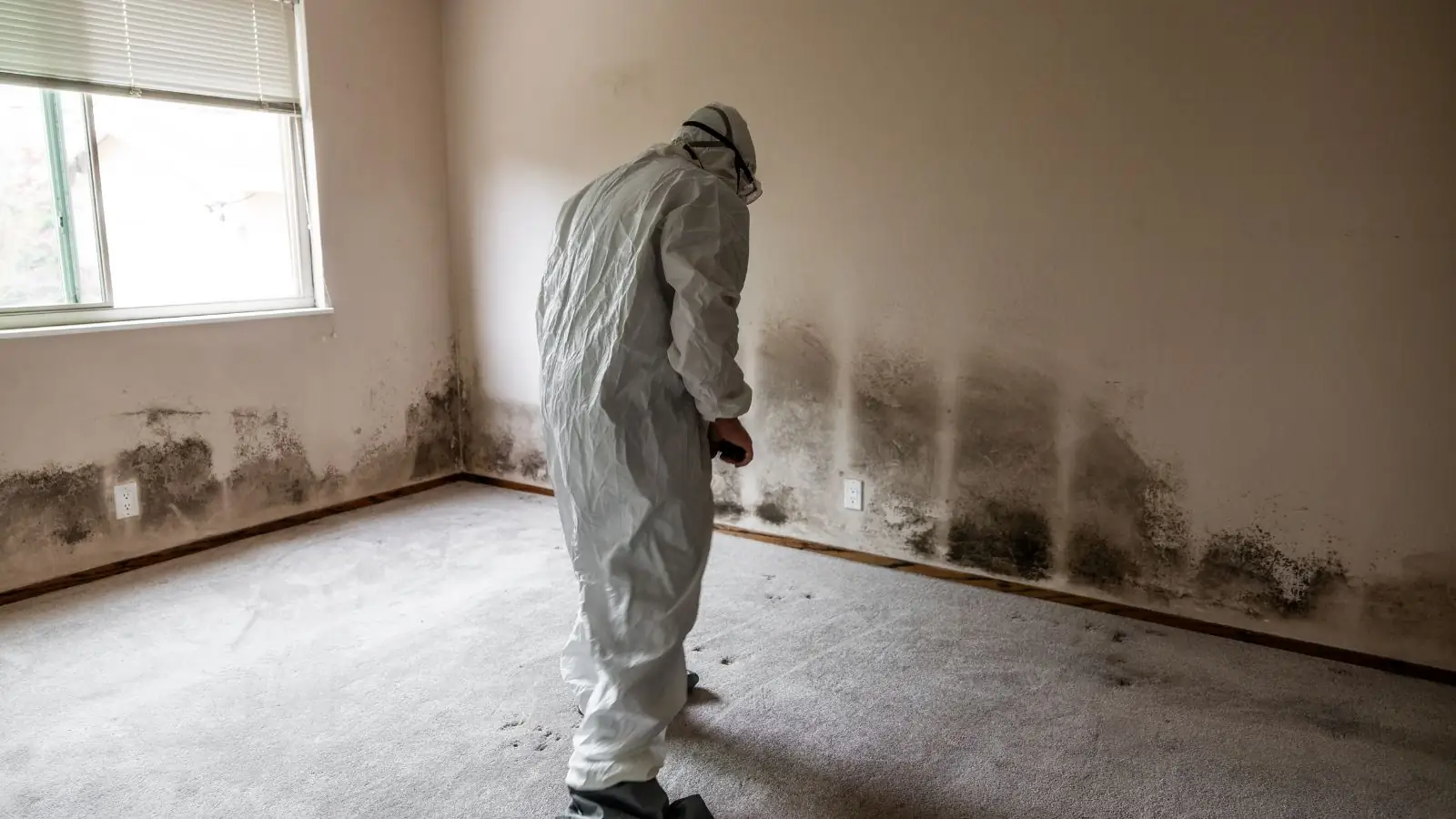
Mold in a lower-level room is rarely a cleaning problem first. It is a moisture problem that left a visible mark. If your home has a basement or lower-level room, the fastest way to stop mold is to find the water feeding it, dry the space, and only then deal with the growth.
That order matters because mold needs moisture to live. Remove the moisture and growth stalls. Leave it in place and anything you scrub away tends to return as the same spotting on the same wall, sometimes within weeks.
Professional mold remediation follows the same sequence on every job: identify the source, dry the materials, remove what cannot be cleaned, then verify the result. Doing it in that order at home saves effort and money.
Common sources in a lower room
A visible patch is only the end of a trail. Walk the room and the rooms above it before you reach for a spray bottle. Water reaches lower levels in a handful of ordinary ways.
- A supply line, drain or water heater leak in the floor above that runs down a wall cavity.
- A slow seep through a concrete wall or floor slab after heavy rain, often marked by a damp patch or white mineral crust.
- Condensation on cold pipes, windows or an exterior wall where warm indoor air meets a cool surface.
- A clothes dryer vent or bathroom fan that ends inside the ceiling instead of outdoors.
- A past flood or appliance spill where carpet, pad or lower drywall never fully dried.
A cheap moisture meter or a simple taped square of plastic sheeting on the wall for a day can help. If moisture collects under the plastic, the water is coming through the wall. If it collects on the room side, the air is the culprit.
Found growth in a lower room and not sure where the water is coming from? Describe what you see to dispatch and we will help you decide the next step.
☎ (760) 769-1159What actually kills mold and what only hides it
Killing mold on a hard, nonporous surface such as sealed tile, glass or metal is straightforward. A detergent solution and a scrub brush lift the growth, and a dry cloth finishes the job. The surface was never feeding the mold, so there is nothing to dig out.
Porous materials behave differently. Drywall paper, ceiling tile, carpet, insulation and unsealed wood absorb water and let growth reach below the surface. Wiping the top leaves living material underneath, and painting over it only hides the evidence for a while.
| Surface | Typical approach | Why |
|---|---|---|
| Sealed tile, glass, metal | Detergent and scrubbing, then dry | Nothing absorbs, so growth stays on top |
| Painted concrete or block | Clean, dry fully, check for seepage | Moisture may keep arriving through the wall |
| Drywall and ceiling tile | Usually cut out and replaced | Paper facing and core hold moisture |
| Carpet and pad | Usually removed | Pad stays wet longer than the surface suggests |
| Framing lumber | Clean and dry if sound | Solid wood can often be dried and cleaned |
Why bleach falls short on porous materials
Household bleach is mostly water, and the water soaks into porous material while the chlorine stays near the surface. The visible color fades, which looks like success. The moisture you just added can feed regrowth underneath.
Bleach also gives off fumes in a closed lower room, and it should never be mixed with ammonia or other cleaners. Many contractors prefer detergent cleaning, physical removal of damaged material and HEPA vacuuming over chemical spraying.
Safety before scrubbing
Do not disturb a large patch dry, since sanding or brushing sends spores into the air. If standing water is near outlets or appliances, stay out and cut the circuit only when you can reach the panel while dry. Any hint of an electrical or gas problem is a 911 or utility call before you phone anyone else.
A drying routine for a lower-level room
- Fix or isolate the sourceShut off the leaking supply line, redirect the downspout or seal the vent that dumps humid air indoors.
- Remove soaked contentsMove cardboard boxes, upholstery and rugs out. Cardboard holds moisture and is one of the first things to grow mold.
- Move air and pull moistureRun a dehumidifier and a fan pointed along the wall. Keep doors closed so the machine is drying the room, not the house.
- Track the numbersWatch relative humidity with an inexpensive hygrometer and aim to keep the room in a comfortable, steady range.
- Reassess after a few daysIf a spot stays damp or the smell lingers, the water is still arriving or the material needs removal.
When walls, flooring or insulation are involved, equipment and monitoring beat guesswork. Our water mitigation crews use moisture meters, thermal imaging, air movers and dehumidifiers to confirm that materials are dry instead of dry-looking.
Where do-it-yourself work should stop
A small patch on a nonporous surface is a reasonable weekend job. The line moves toward a professional when growth covers a large area, when it sits inside a wall or ceiling, or when the cause is sewage or contaminated water. Industry guidance published as ANSI/IICRC S520 describes how containment and removal are handled on larger jobs, and it is fair to ask a company up front whether its crews follow it.
Plan around real estate or lender deadlines too. A buyer's lender may require documented clearance testing before closing, so ask the company how testing and removal are sequenced. Health questions about exposure belong with your physician, not with a cleaning product label.
Neighbors in Carlsbad and San Marcos ask us the same thing, and the answer does not change with the ZIP code. Find the moisture, dry the materials, remove what cannot be saved, and confirm the room stays dry.
Encinitas note: moisture shows up after the rain season
San Diego's coast averages roughly 10 inches of rain a year, and the National Weather Service table for the Lindbergh Field gauge says about 85 percent of it falls from November through March. January is the wettest month on that table at 1.95 inches.
That calendar gives you a practical inspection window. Check lower walls, window wells and the floor edge in the weeks after the first heavy storms, and again in spring. A damp patch that appears only after rain points to seepage from outside, which drying alone will not solve.
Frequently Asked Questions
Nothing kills it for good while the wall stays wet. Remove the moisture source, dry the wall, clean or remove the affected material, and keep humidity steady. If the wall keeps getting wet, growth will return no matter what product you use.
A small area on a hard, nonporous surface is usually a manageable home project with gloves, eye protection and good ventilation. Large areas, growth inside walls, or anything tied to sewage or flood water should go to a professional.
Paint hides the stain but does not remove growth or fix the moisture behind it. The patch often shows through again, and the wall stays damp underneath.
Yes. Most of the coast's rain arrives between November and March, so checking after the first big storms and again in spring catches seepage early, before a damp patch turns into growth.
Ask during your call. We explain how testing and removal are sequenced so that any clearance your buyer's lender asks for can be scheduled after the work, and we make no promises about what a lender will accept.